

Why Good People Shut Down, Wander, or Act “Out of Character” When Touch, Tenderness, and Emotional Closeness Quietly Disappear from the Relationship.
Starved for Affection… We don’t talk about it enough: how many couples are quietly aching for tenderness while living under the same roof. One partner assumes everything is “fine,” the other is silently breaking inside because the hugs stopped, the kisses feel rushed, the conversations are shallow, and nobody is brave enough to say, “I feel alone next to you.”
Human beings are wired for connection; our bodies literally calm down when we’re held, kissed, and touched by someone we trust. But your partner is not a mind reader. If you never say you’re hurting, they might think you prefer the distance. If they never tell you they need more affection, you may assume they’re just tired. That gap in communication is where resentment, confusion, and loneliness grow.
When affection is missing for too long, people start coping in ways that look “dramatic,” “cold,” or “selfish” on the surface—but underneath, it’s just hunger. Not for drama. For warmth. For being wanted. Below are 8 common things women and men do when they’re affection-deprived—and a bonus pattern most people don’t realize is a symptom of the same wound.
We Begin Dreaming Of Independence
When you feel unseen and untouched, being single suddenly starts to look oddly peaceful. You imagine an apartment that’s yours, a bed you don’t have to share with someone who won’t even roll over and cuddle you, weekends where you’re not begging for attention from a person glued to their phone or TV. You’re not necessarily desperate to leave; you’re desperate to stop feeling rejected in your own home.
That daydream of “I’d be better off alone” is often less about wanting to be single and more about wanting relief. Relief from being emotionally starved while still having to show up, cook dinner, split bills, and pretend everything is okay. It’s the brain’s way of saying, “If I can’t get affection here, maybe I’d rather have my peace than this constant ache.”
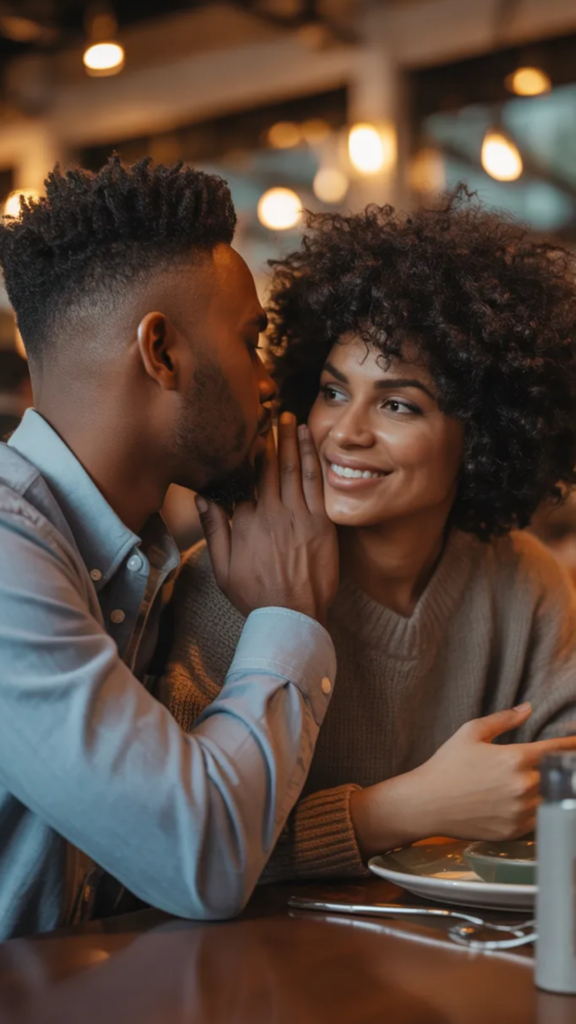
We Latch Onto Anyone Who Treats Us Kindly
When you’re rusted over with neglect, the tiniest bit of warmth hits like a heat lamp. The barista who remembers your name, the coworker who asks how you’re really doing, the neighbor who compliments your new haircut—suddenly they feel like the only people who actually see you. If you’ve been running on emotional fumes, basic courtesy can feel like a full-course meal.
This is where people slip into dangerous territory: that friendly coworker starts to look extra attractive, not because they’re the “love of your life,” but because they offer what your relationship is missing—attention, empathy, eye contact, curiosity. It’s not about being weak or disloyal; it’s about unspoken starvation. When affection and validation are missing at home, the risk of confusing kindness with chemistry.
We Start Flirting With Pretty Much Everyone
When you feel unwanted, flirting becomes a quick, low-risk way to check, “Am I still attractive? Am I still desirable?” A little eye contact here, a joke there, replying to that DM, posting that fire selfie—none of it is accidental. It’s a way of testing the waters and reminding yourself, “Other people still find me appealing, even if my partner acts like I’m invisible.”
For some, this is the only way they feel any spark at all. They might never intend to cross a physical line, but the attention gives them a hit of confidence that’s missing at home. It’s easy to label this as immature or “attention-seeking,” but in many cases it’s just a wounded person trying to feel alive again. If the relationship felt affectionate and emotionally safe, the urge to scatter flirtation everywhere would drop dramatically.
We Go Looking for Warmth Somewhere Else
This is where things can get messy. When cuddling, kissing, and tenderness disappear, some people look for it outside the relationship—through emotional affairs, physical affairs, or connections that live in a gray zone they’d be embarrassed to explain out loud. They may tell themselves, “It’s just talking,” or “It’s only a hug,” or “It’s not that serious.” But deep down, they know they’re trying to fill a very real void.
None of this excuses betrayal. It does, however, explain how people who never pictured themselves as “cheaters” or “inappropriate” end up there. Lack of affection doesn’t cause infidelity all by itself, but it lowers defenses in a powerful way. If you’re leaning on someone outside your relationship for the comfort you should be getting from your partner, that’s a sign something is very wrong—and it needs honest, uncomfortable conversation, not more secrets.

Starved for Affection
We Start Exploring Alternative Realities
When real life feels cold, people disappear into fantasy. That might look like:
- Binge-reading romance novels or fanfic
- Getting obsessed with TV shows where characters actually talk, touch, and fight to be together
- Losing hours in gaming, social media, or daydreams where you’re loved exactly how you crave
None of these things are bad on their own. But when they become your primary source of emotional comfort, they turn into a hiding place from the reality that you feel lonely in your relationship. Those fictional couples listen, apologize, and hold each other. Your real-life relationship, meanwhile, may feel like functional roommates.
The more you retreat into these other worlds, the harder it becomes to face the actual problem. You’d rather cry over fictional heartbreak than admit you’re experiencing the real thing in your own living room.
Women Pour Energy Into Appearance (But It’s Not What You Think)
When a woman is starved for affection, she may dive into skincare routines, buying new clothes, changing her hair, or spending way more time on makeup—not always because she’s vain, but because she’s trying to feel chosen again. Being overlooked in her own relationship can destroy her sense of worth and desirability.
From the outside, it might look like she’s trying to impress everyone else. In reality, she might be dressing up for the partner who stopped noticing. Or she’s trying to rebuild a sense of control: “If I can’t get affection, at least I can control how I present myself.” Sometimes the new wardrobe isn’t about attracting anyone at all; it’s about staring into the mirror and seeing someone who still looks worth loving.
We Stop Initiating Contact
One subtle but painful shift: the person who used to always text first, plan dates, and reach for hugs just… stops. They go quiet, not because they suddenly stopped caring, but because repeated rejection has worn them down. Every ignored message, brushed-off hug, or turned-away kiss becomes another data point: “You don’t really want me.”
Pulling back is self-protection. It’s easier to retreat into autopilot—talking about bills, kids, or schedules—than to keep putting your heart on the line and getting nothing back. Ironically, this often convinces the other partner that everything is fine or that the “clingy” phase is over, when in reality the emotional connection is bleeding out. The silence isn’t peace; it’s surrender.

Our Friends Become Our Whole Support System
When affection dries up at home, friends often become the only place you feel emotionally held. You vent to them, cry with them, laugh with them, text them about your day, and lean on them for the kind of encouragement and validation you wished your partner would offer.
Again, there’s nothing wrong with strong friendships; they’re essential. But when you tell your friends everything and your partner almost nothing, the relationship slowly gets pushed out of the center of your emotional life. You might notice you’d rather go to brunch with your friends than have a date night. You might feel closer to your group chat than to the person you share a bed with. That’s not because you’re “too attached” to your friends—it’s because your emotional needs are being met there while they’re being ignored at home.
Bonus: We Start Believing We’re Hard to Love
This is the quietest but most damaging symptom: over time, people who are deprived of affection start to internalize a brutal story—“Maybe I’m just not loveable.” Research shows that long-term affection deprivation is linked to increased loneliness, stress, depression, and lower self-esteem. That means the problem doesn’t just stay between you and your partner; it seeps into how you see your entire self.
You may start picking apart every perceived flaw, blaming yourself for your partner’s emotional distance, convincing yourself that wanting hugs, kisses, and reassurance is “too much.” Eventually, you might lower your standards, accept bare-minimum effort, or stay in deeply unfulfilling dynamics because you don’t believe you deserve more. That’s the real tragedy of affection starvation—it doesn’t only make you feel unloved; it can make you believe you’re unworthy of love in the first place.
Why Affection Matters More Than You Think
Affection isn’t a nice extra you tack on when you have time; it’s one of the main ways long-term couples stay emotionally bonded. Studies link consistent physical affection—like hugging, kissing, hand-holding, and cuddling—to better relationship satisfaction, greater emotional security, and even improved mental health. It soothes the nervous system, reduces stress, and strengthens your sense of “we’re in this together.”
When affection goes missing, communication usually suffers too. Couples stop sharing deeper thoughts and feelings and instead keep conversations surface-level, focused on logistics and tasks. Without touch and emotional honesty, a relationship can look fine on the outside but feel hollow on the inside. The good news: affection is one of the most repairable parts of a relationship when both people are willing to show up and talk honestly.
How to Start Rebuilding Connection
You cannot fix what you won’t name. If you recognize yourself in any of these patterns, you’re not dramatic or broken—you’re responding to a real, unmet need. Here are some starting points:
- Say the quiet part out loud
Instead of hinting, have a clear, calm conversation: “I feel distant from you. I miss your touch. I feel lonely, and I don’t want to keep pretending I’m okay.” It might feel vulnerable, but honest communication is essential to rebuilding affection and emotional connection. - Be specific about what you need
Vague comments like “You’re never affectionate” trigger defensiveness. Try: “It would mean a lot if we hugged before bed,” or “Can we cuddle on the couch for ten minutes without screens?” Specific requests are simpler to fulfill. - Start small, but be consistent
You don’t need grand romantic gestures every day. Commit to simple actions: a kiss before leaving the house, a real hug when you reunite, a few minutes of uninterrupted conversation. Small, consistent touches matter more than occasional over-the-top displays. - Notice and appreciate effort
If your partner starts trying, even imperfectly, acknowledge it. Positive reinforcement—“I really liked when you held my hand earlier”—helps new habits stick and rebuilds safety on both sides. - Consider outside support
If you keep hitting the same wall, couples counseling, individual therapy, or a relationship workshop can help you untangle old patterns and learn new ways of giving and receiving affection. Sometimes you need a neutral guide to help translate both sides.
A Word to Men
To the husbands and boyfriends reading this: your partner’s longing for touch and tenderness is not a flaw to fix or a problem to roll your eyes at. Her need for physical closeness and emotional reassurance is how she experiences love, safety, and value in the relationship. When you stop reaching for her hand, when you brush off her hug, when you act like you’re doing her a favor by kissing her, she doesn’t just feel disappointed—she feels invisible.
You might not mean to hurt her, but indifference can wound just as deeply as anger. When affection becomes rare, she starts wondering if you still desire her, if she’s still beautiful in your eyes, if she still matters to you at all. She shouldn’t have to go searching the world for proof that she’s loveable when she’s standing next to the man who promised to cherish her.
A Word to Women
To the wives and girlfriends who are exhausted from trying: you are not asking for too much because you want to be held, kissed, and spoken to with warmth. You are not “high maintenance” because you want your partner to look up from their phone and actually be present with you. Wanting affection—emotional and physical—is a human need, not a selfish demand.
I see the way you dim yourself, shrink your needs, and collect tiny crumbs of attention like they’re enough to survive on. I see you second-guessing yourself, wondering if you should just be grateful for the roof over your head and stop wanting anything more. You deserve better than bare minimum closeness and autopilot love. The fact that you crave real connection means your heart is still beating, still hoping, still willing to care.
You are not impossible to love. You are not a burden for wanting to feel chosen, desired, and held—not once in a while, but regularly. You deserve a partner who doesn’t just coexist with you, but reaches for you. And if the person you’re with can’t or won’t see that, I hope—for your sake and theirs—that something shifts before the distance becomes permanent.
If this resonated with you, pass it on to someone you care about. Sometimes one honest conversation is all it takes to wake two people up before they lose something they both still deeply want.
Feel free to read The Ultimate Guide to Finding a Rock-Solid Partner for Life and Why Being Friends First Creates Happier, Lasting Relationships
All items mentioned can be easily purchased by clicking on the orange links sprinkled throughout the post. Please Share and Subscribe. It Really Helps. Thanks A Million!








0 Comments