
The Unsung Wonder of Chayote: Benefits, Family Traditions, and a Refreshing Juice Recipe
When most people think of superfoods, they picture kale, avocado, or blueberries. Few realize that tucked among the ordinary vegetable bins at local markets is a pale green, wrinkled fruit that rivals them all in nutrition and versatility — the chayote.
In my family, chayote was a kitchen staple long before it appeared on trendy health blogs or wellness channels. My mum would often toss chayote into bubbling pots of soup, letting its tender flesh absorb the comforting flavors of chicken, herbs, and vegetables. It wasn’t just a vegetable to her — it was nourishment, nostalgia, and a gentle way of caring for us from the inside out.
Today, I want to revisit this humble green gem: to explore its benefits, its culinary diversity, and share one of my favorite modern spins — a detoxifying chayote juice with pineapple and ginger that’s perfect for energizing your mornings or restoring balance after indulgent days.
 What Is Chayote?
 What Is Chayote?
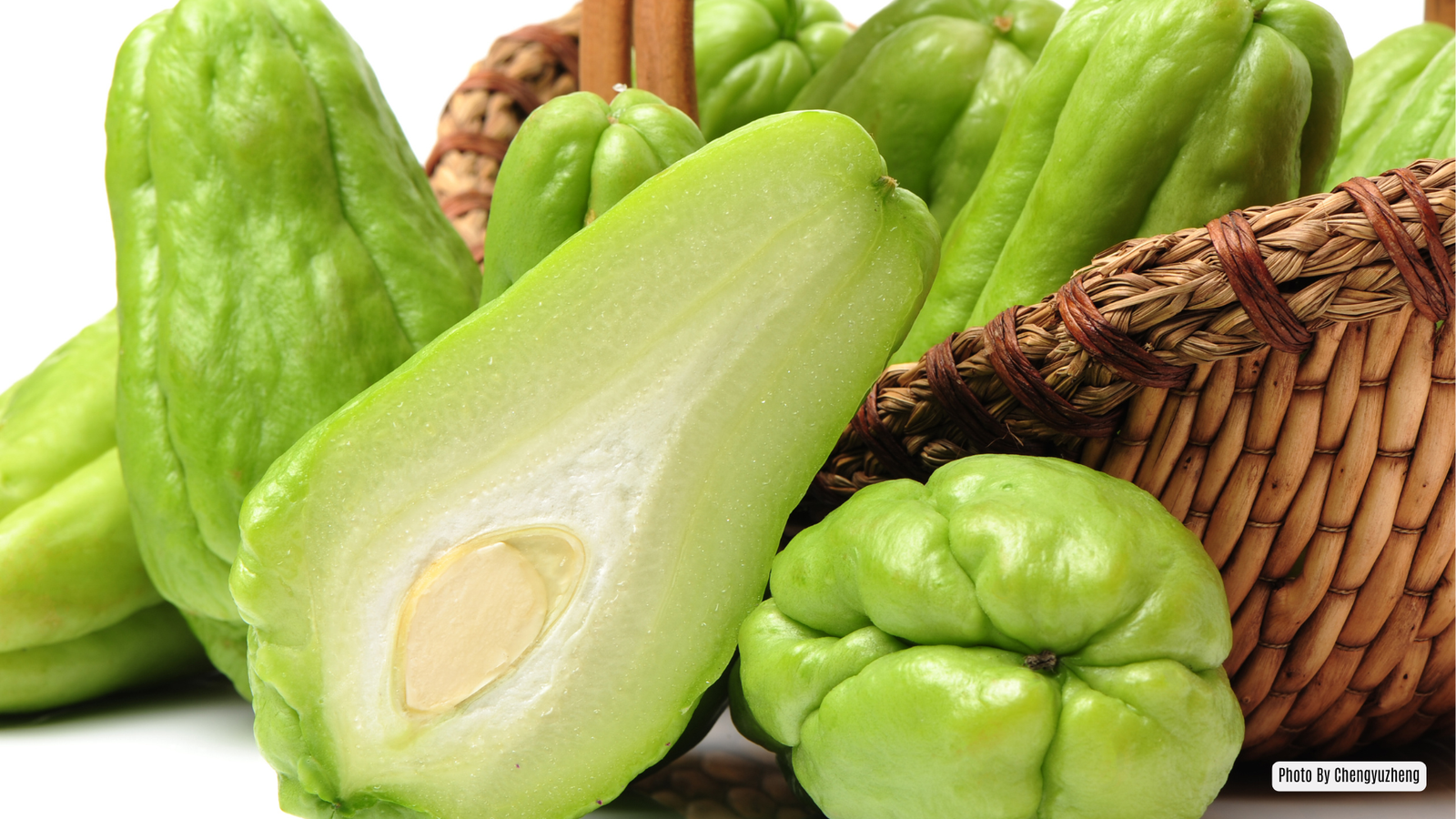
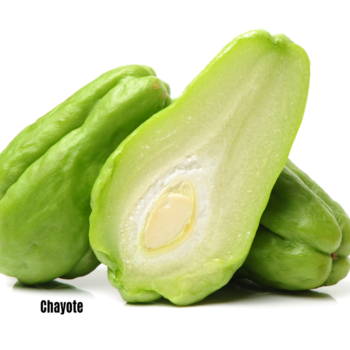
Chayote (pronounced chai-oh-tay), also known as vegetable pear or mirliton, is a member of the gourd family (Cucurbitaceae), related to cucumbers, pumpkins, and squash. It’s scientifically known as Sechium edule. The fruit is light green, pear-shaped, and has a crisp, slightly starchy texture when raw. Its mild, cucumber-like flavor makes it a true chameleon in the kitchen — easily absorbing surrounding spices, herbs, or savory broths.
Native to Central America, chayote has been cultivated since pre-Columbian times, cherished by the Aztecs and Mayans for its flavor and versatility. Over time, it spread across the globe — from Mexico to the Caribbean, the Philippines, India, and beyond — becoming a beloved household staple in myriad regional cuisines.
Every part of the plant is edible: the fruit, the seed, the roots, the shoots, and even the leaves. But it’s the fruit itself that has earned the spotlight for being both nutrient-rich and remarkably low in calories.
Nutritional Profile: A Lightweight Powerhouse
Despite its delicate flavor, don’t let chayote’s simplicity fool you — it is astonishingly nutrient-dense. A single cup (about 132 grams) of cooked chayote provides:
- Calories: Around 25
- Carbohydrates: 6 grams
- Fiber: 2.2 grams
- Protein: 1 gram
- Fat: Negligible
- Vitamin C: 26% of the Daily Value (DV)
- Vitamin B9 (Folate): 47% of the DV
- Potassium, manganese, magnesium, and zinc in measured amounts
It’s practically a nutritional gift for those seeking to balance energy intake with nourishment. Let’s break down what makes these nutrients beneficial to your well-being.
Boosts Immunity and Cellular Health
Chayote is rich in vitamin C, an antioxidant powerhouse that supports collagen production, aids tissue repair, and strengthens immune defenses. Vitamin C helps the body neutralize free radicals — the unstable molecules that contribute to aging and chronic disease. Regular intake of chayote can support a glowing complexion, wound healing, and a stronger immune system.
Supports Heart and Circulatory Health
One of chayote’s lesser-known attributes is its potassium content, which helps regulate blood pressure. Combined with its nearly sodium-free profile, chayote acts as a natural diuretic — helping the body flush out excess sodium and water, balancing fluid levels, and promoting cardiac well-being.
Furthermore, its soluble fiber helps reduce LDL (bad) cholesterol absorption in the bloodstream, contributing to lower cholesterol levels over time. This makes chayote a heart-friendly food that aligns perfectly with low-sodium, low-fat dietary goals.
A Natural Ally for Digestion and Gut Health
Dietary fiber in chayote plays a crucial role in supporting gentle digestion. It adds bulk to stool, helps prevent constipation, and feeds beneficial gut bacteria. Because of its light starch, eating chayote doesn’t weigh you down — making it perfect for people with sensitive stomachs or those recovering from illness.
Mum used to call it “a digestive vegetable.” She would often add thin slices of chayote into her vegetable soups, saying it “soothes the stomach.” And she wasn’t wrong. The mild enzymes and fiber promote balance in the digestive tract without irritation.
Promotes Healthy Weight and Hydration
With under 30 calories per cup, zero fat, and abundant water content, chayote is one of the best foods for weight-conscious eaters. It fills you up while hydrating your cells and supporting metabolism. Because it’s so mild in taste, it pairs beautifully with both savory and sweet ingredients — a trait that we’ll lean into later with the juice recipe.
A Gentle Aid for Blood Sugar Management
The glycemic load of chayote is remarkably low, meaning it doesn’t cause dramatic blood sugar spikes. Its presence of soluble fiber further slows glucose absorption, which can be beneficial for those managing Type 2 diabetes or insulin resistance.
Interestingly, chayote leaves and shoots have also been traditionally used in some cultures to help stabilize blood sugar. While more studies are needed, early research suggests that chayote contains compounds that may improve insulin sensitivity and glucose metabolism.
Nourishes During Pregnancy
For pregnant women, chayote’s high folate content is a blessing. Folate (vitamin B9) is essential in preventing neural tube defects during early fetal development. It also aids the production of healthy red blood cells, reducing fatigue and supporting energy throughout pregnancy. Combined with its hydration properties and ease of digestion, chayote becomes a smart addition to prenatal diets.
Anti-Inflammatory and Aging Support
The antioxidants in chayote — including vitamin C, flavonoids, and myricetin — help combat oxidative stress, one of the underlying culprits of inflammation, joint degeneration, and premature aging. Regularly consuming antioxidant-rich foods like chayote supports long-term cellular repair, contributing to better heart, brain, and skin health.
Enhances Skin and Hair Vitality
From a beauty standpoint, chayote is a quiet hero. Its compounds support collagen synthesis (thanks to vitamin C), help retain moisture, and provide trace minerals that nourish skin and hair from within. In some cultures, people even apply pureed chayote topically for hydration or to soothe mild irritation — though its real magic works best when consumed regularly.
Mum’s Chayote Kitchen: Comfort in a Bowl
Growing up, my mum wielded chayote like a culinary artist. Her approach was simple and soulful. Whenever a family member came down with a cold or stomach ailment, she’d reach for the knife, quartered a few chayotes, and let them simmer in broth with chicken bones, carrots, onions, and fresh herbs.
The aroma would fill the house — an earthy, comforting fragrance that promised wellness. The chayote would turn tender but not mushy, absorbing the richness of garlic and the freshness of thyme. Its subtle sweetness mellowed out the salt and made every spoonful soothing.
She believed in food as medicine before it became a buzzword. “Let the chayote do the healing,” she’d say while skewering the pale green pieces with a wooden spoon to check if they were tender enough.
That tradition of hers — nourishing through simplicity — has echoed into my own kitchen habits. Though my cooking is now a blend of her recipes and modern trends, I see her influence every time chayote finds its way into my pot or juicer.
A Modern Twist: Chayote Pineapple Ginger Juice
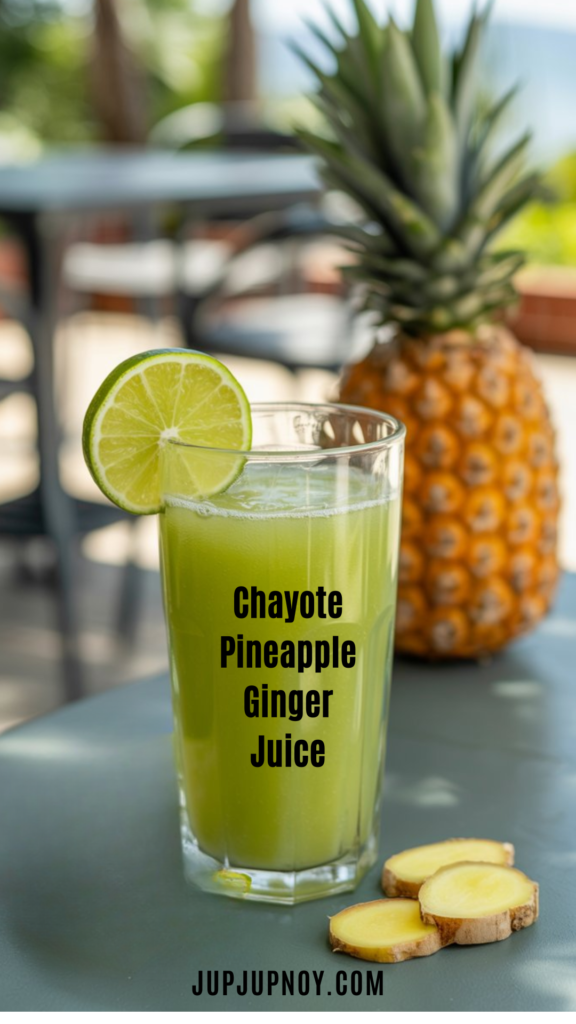
In a world overflowing with green juices, smoothies, and tonics, this Chayote Pineapple Ginger Juice stands out for its balance of flavors and powerful health synergy.
This recipe celebrates the natural freshness of chayote, enhanced by the tropical tang of pineapple and the warmth of ginger. It’s light yet invigorating, hydrating yet energizing. Perfect for post-workout refreshment, immune support, or just a gentle daily detox.
Ingredients
- 3 medium chayotes, peeled, deseeded, and chopped into quarters
- 1 whole pineapple, peeled, cored, and cut into chunks
- 1 (2-inch) piece of fresh ginger, scrubbed
- 1–2 tablespoons of honey, agave nectar, or maple syrup, to taste (optional)
Equipment
- Masticating juicer (also known as a cold-press juicer)
Tip: A masticating juicer works best because it uses slow extraction, preserving enzymes, vitamins, and flavor while minimizing oxidation. That means your juice not only tastes fresher but also lasts longer in the refrigerator. You can also use a blender, but remember to use a cheese cloth to strain your juice.
Directions
Prepare the chayote: Peel and slice the chayotes in half. Remove the inner seed (it’s edible but slightly firmer than the flesh). Cut into manageable pieces for your juicer chute.
Cut the pineapple: Remove the outer peel, eyes, and core if desired (though the core can be juiced for extra fiber and bromelain). Chop the pineapple into large chunks.
Prep the ginger: Slice the ginger into smaller pieces to ensure it flows smoothly through the juicer.
Start juicing: Feed the chayote pieces into the masticating juicer first — their high water content will create a hydrating base. Follow with the pineapple chunks to add sweetness, then finish with ginger for a flavor kick.
Start blending: Blend all ingredients together until smooth. Then strain.
Sweeten to taste: Pour the juice into a large pitcher and add your chosen natural sweetener — honey, agave, or maple syrup — according to preference. Stir well until dissolved.
Chill and serve: Serve immediately over ice, or refrigerate for up to 72 hours in a sealed glass container.
Flavor Notes and Nutrition Highlights
- Chayote lends mild sweetness, crisp hydration, and a cucumber-like smoothness.
- Pineapple brightens the blend with vitamin C, bromelain (a digestive enzyme), and tangy tropical flavor.
- Ginger provides anti-inflammatory and antioxidant benefits while enhancing circulation and warming the body’s core.
Each glass offers hydration, slow-digesting carbohydrates, and digestive support while being gentle on blood sugar and incredibly refreshing.
Health Synergy of the Juice
Chayote, pineapple, and ginger may seem like an unlikely trio, but they work in beautiful biochemical harmony.
- Digestive support: Bromelain in pineapple and fiber in chayote help break down proteins and soothe gut inflammation.
- Immune boost: Vitamin C from both chayote and pineapple combines with the antimicrobial power of ginger to strengthen defenses.
- Circulatory health: The potassium in chayote and the vasodilatory effects of ginger promote healthy blood flow.
- Anti-inflammatory benefits: This juice can calm internal inflammation, potentially easing symptoms of bloating or joint stiffness.
- Post-workout restoration: The minerals and enzymes replace electrolytes lost through sweat while reducing oxidative stress on muscles.
You could even call it a “liquid multivitamin from nature.”
 How to Include Chayote in Everyday Meals
 How to Include Chayote in Everyday Meals
If you’re inspired to use chayote beyond this juice, here are some easy kitchen ideas:
- In soups and stews: Slice thinly and simmer it like zucchini or squash. It soaks in flavor beautifully.
- As a sautéed side dish: Stir-fry with garlic, onion, a pinch of salt, and olive oil for a crisp-tender veggie dish.
- In salads: Shred raw chayote for crunch and combine with citrus vinaigrette.
- In curries: Add toward the end of cooking for texture and mild sweetness that balances spice.
- Stuffed and baked: Cut in half, scoop out the flesh, mix it with sautéed onions and breadcrumbs, then rebake — similar to stuffed bell peppers.
A Tribute to Simplicity and Nourishment
Sometimes the most nourishing foods are the ones our parents quietly cooked with love, without ever calling them “superfoods.” In that sense, chayote feels like rediscovering wisdom that’s always been there — waiting patiently in soups, stews, and kitchen gardens.
Mum never lectured us about antioxidants or glycemic indices. She just knew what worked. Her soups healed, her chayote meals comforted, and her intuition aligned perfectly with modern nutritional science.
Now, every time I juice chayote with pineapple and ginger, I think of her — standing in the kitchen, ladle in hand, smiling as the steam rose. “Drink up,” she’d say. “It’ll make you feel better.” …She was right…
Wrapping Up
Chayote deserves more recognition as a food that’s equal parts healing, hydrating, and heartwarming. It’s a vegetable that adapts to your intentions — whether you’re cooking a nurturing meal for your family, managing blood pressure, balancing digestion, or simply seeking something refreshing and light.
So the next time you wander through the produce section, and your eyes land on a pile of pale green pear-shaped fruits, don’t pass them by. Pick up a few, give them a rinse, and let them remind you — sometimes, the most profound nourishment begins with something humble.
… and if you’ve gotten through reading the whole post, here’s another one on Turmeric Milk. Enjoy!












0 Comments